que cherchez-vous?
Le garnissage de silencieux est un composant essentiel à l’intérieur de nombreux systèmes d’échappement, mais contrairement à l’enveloppe métallique du silencieux, il s’agit d’un matériau consommable qui évolue progressivement pendant le fonctionnement. Avec le temps, l’exposition à la chaleur des gaz d’échappement, à la vitesse des gaz, aux vibrations, à l’humidité et aux résidus de combustion entraîne la compression, l’affaiblissement ou la perte d’efficacité de la structure du garnissage.
Alors, combien de temps dure le garnissage de silencieux ? La réponse dépend de la conception de l’échappement, du type de moteur, de la température de fonctionnement, de la structure du matériau et des conditions d’utilisation. Dans certaines applications standard, le garnissage de silencieux peut durer plusieurs années. Dans les systèmes d’échappement de course haute performance, un remplacement peut être nécessaire beaucoup plus tôt.
Pour les propriétaires de motos, les fabricants d’échappements, les marques d’échappements haute performance et les acheteurs OEM, comprendre la durée de vie du garnissage de silencieux permet de réduire les coûts d’entretien, d’éviter les augmentations inattendues du bruit et de sélectionner le matériau de remplacement approprié.
BSTFLEX fournit des matériaux professionnels de garnissage de silencieux pour les échappements de motos, les silencieux haute performance, les systèmes ATV/UTV, les silencieux automobiles et les applications d’échappement OEM. Découvrez la catégorie complète de produits Garnissage de silencieux pour différentes solutions de garnissage d’échappement.
Il n’existe pas d’intervalle de remplacement universel pour le garnissage de silencieux, car chaque système d’échappement fonctionne dans des conditions différentes. Une petite moto de route et un moteur de course haute puissance créent des environnements totalement différents à l’intérieur du silencieux.
| Application | Durée de vie typique du garnissage de silencieux | Facteurs principaux |
|---|---|---|
| Échappement de moto de route | 1 à 3 ans | Température normale, vibrations modérées |
| Échappement de moto haute performance | 6 à 18 mois | Température plus élevée et pression des pulsations d’échappement |
| Système d’échappement de course | Plusieurs courses à plusieurs mois | Température extrême et vitesse élevée des gaz |
| Échappement ATV / UTV | 1 à 2 ans | Vibrations, poussière, conditions tout-terrain |
| Échappement automobile OEM | Plusieurs années | Conditions de fonctionnement contrôlées |
Ces valeurs sont uniquement des références générales. La durée de vie réelle dépend fortement du choix du matériau et de la conception de l’échappement.
La défaillance du garnissage de silencieux n’est généralement pas causée par un seul facteur. Elle résulte habituellement de plusieurs contraintes qui agissent ensemble.
La température est l’un des facteurs les plus importants affectant la durée de vie du garnissage de silencieux.
Pendant le fonctionnement du moteur, les gaz d’échappement peuvent créer une chaleur extrême à l’intérieur du silencieux. Une exposition continue à des températures élevées modifie progressivement la structure des fibres. Le matériau peut devenir cassant, perdre sa flexibilité, se comprimer ou se désagréger.
Le garnissage de silencieux en fibre de verre offre de bonnes performances dans de nombreuses applications d’échappement, car il présente une bonne résistance à la chaleur et une bonne absorption acoustique. Cependant, lorsque la température d’échappement dépasse la plage adaptée pendant de longues périodes, la dégradation s’accélère.
Les moteurs haute performance, les systèmes turbocompressés, les applications de course et les moteurs fonctionnant à régime élevé constant nécessitent généralement des structures de garnissage plus avancées.
Le type de moteur influence directement la durée de vie du garnissage de silencieux.
Les différents moteurs créent différents environnements d’échappement :
Un matériau adapté à une conduite occasionnelle sur route peut ne pas résister aux conditions de la course professionnelle ou d'une exploitation industrielle continue.
Une vitesse élevée des gaz d'échappement peut endommager physiquement les matériaux de garniture.
Lorsque les gaz d'échappement traversent le noyau perforé à grande vitesse, ils créent une contrainte mécanique sur la couche de garniture environnante. Avec le temps, les fibres peuvent se déplacer, se comprimer ou s'échapper par la sortie d'échappement.
Ce processus est souvent appelé expulsion de la garniture.
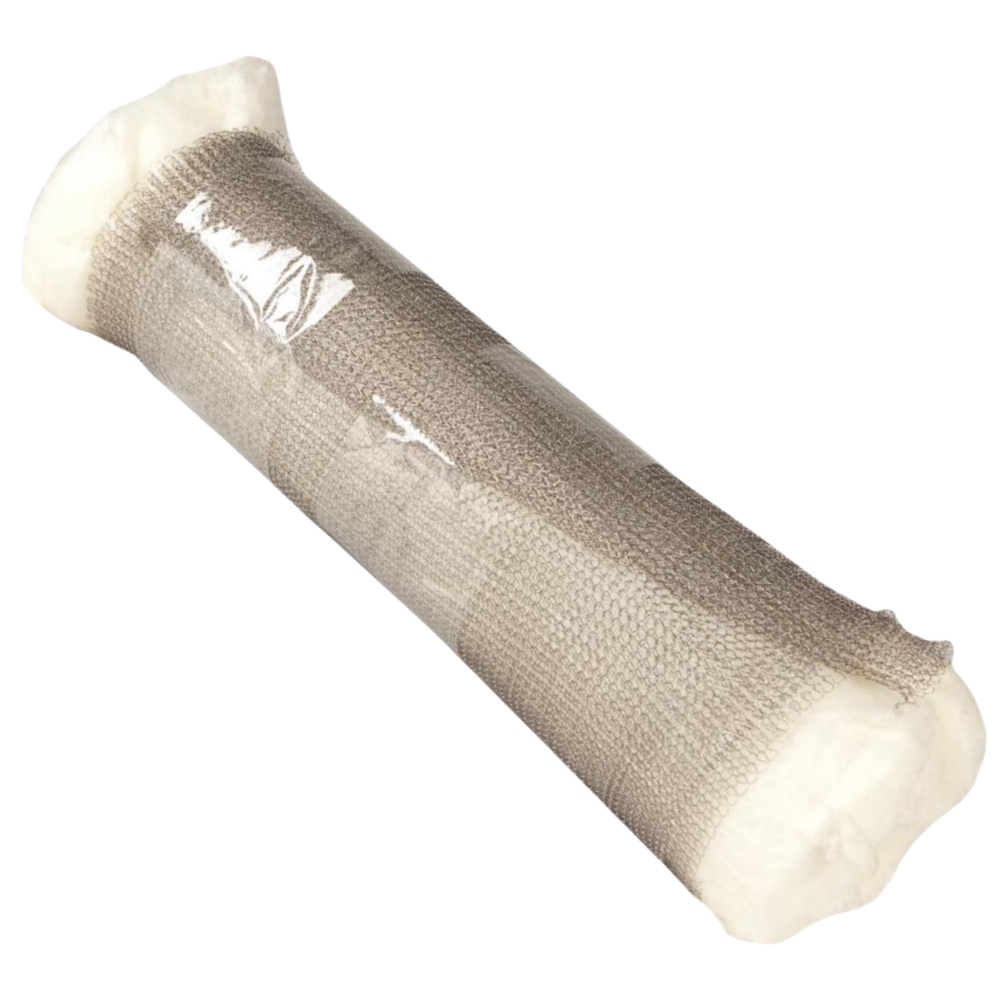
Pour les systèmes d'échappement à haut débit, une structure de garniture renforcée est souvent recommandée. Une couche de laine d'acier inoxydable ou de treillis en acier inoxydable peut aider à protéger la principale couche de garniture acoustique contre l'impact direct des gaz.
Les systèmes d'échappement sont exposés à des vibrations constantes provenant du moteur et des mouvements du véhicule.
Des vibrations répétées peuvent provoquer :
Cela est particulièrement important pour les motos, les systèmes de VTT et les véhicules tout-terrain où les niveaux de vibration sont plus élevés.
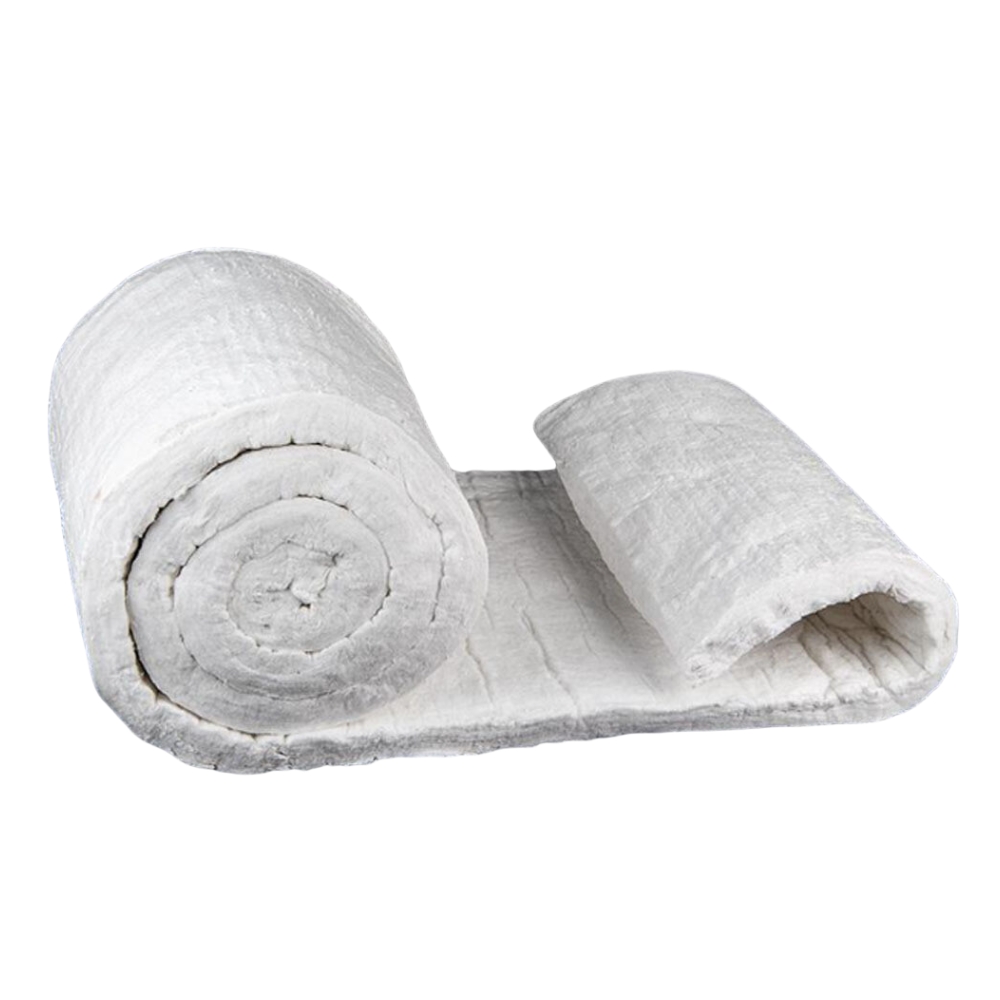
La fibre de verre est l'un des matériaux de garniture de silencieux les plus utilisés, car elle offre un bon équilibre entre performances et coût.
La durée de vie de la garniture de silencieux en fibre de verre dépend de :
Dans les applications normales pour motos et automobiles, la garniture en fibre de verre peut offrir un service fiable pendant une longue période. Cependant, la fibre de verre en vrac peut se détériorer plus rapidement si elle est directement exposée à de fortes pulsations d'échappement.
Une structure contenue peut améliorer la durée de vie.
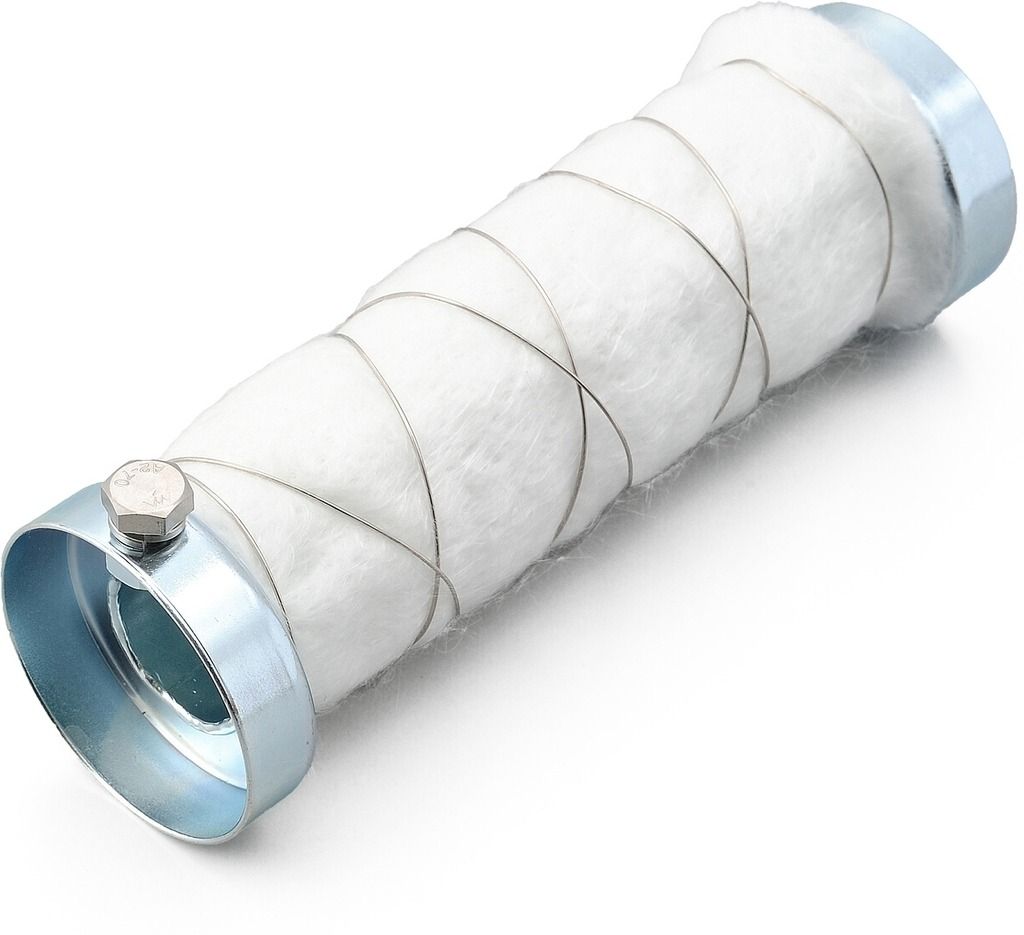
Le Manchon de garniture de silencieux en fibre de verre avec sac en maille de verre tissée utilise une couche extérieure en maille de fibre de verre tissée pour contenir le fil de fibre de verre interne. Cette structure aide à maintenir la position de la garniture et permet une installation plus propre par rapport aux matériaux en fibres en vrac.
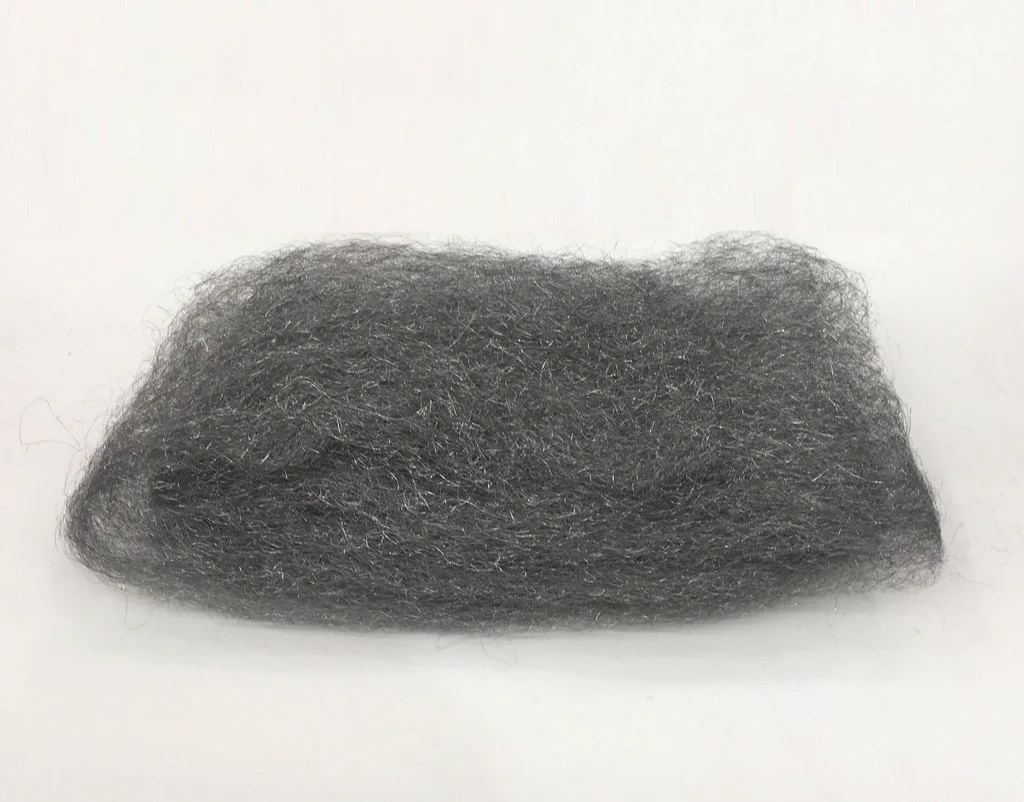
La laine d'acier inoxydable offre généralement une durabilité mécanique supérieure à celle de la fibre de verre traditionnelle, car la structure métallique résiste mieux aux déplacements et à l'érosion.
Elle est couramment utilisée dans :
Cependant, la laine d'acier inoxydable n'est pas toujours utilisée comme seul matériau de garniture.
Son principal avantage réside dans la protection et la durabilité, tandis que la fibre de verre offre une absorption acoustique plus forte. De nombreuses conceptions professionnelles d'échappement associent la laine d'acier inoxydable à la fibre de verre pour obtenir un meilleur équilibre.
Le rembourrage du silencieux fournit généralement des signes avant-coureurs avant une défaillance complète.
Le signe le plus courant est une augmentation du bruit d'échappement.
Lorsque le rembourrage perd de sa densité ou brûle, les ondes sonores ne sont plus absorbées efficacement. La sonorité de l'échappement devient plus forte, plus aiguë ou plus agressive.
Un silencieux en bon état produit généralement une sonorité d'échappement contrôlée. Lorsque le rembourrage se détériore, le son peut devenir :
Si des fibres de verre sont visibles à la sortie d'échappement, cela indique généralement un endommagement du rembourrage interne ou une érosion excessive due aux gaz.
Un rembourrage endommagé peut affecter les caractéristiques de l'échappement et entraîner des performances irrégulières, en particulier dans les systèmes d'échappement haute performance.
Lorsque les performances d'isolation interne diminuent, davantage de chaleur est transférée à la coque du silencieux.
Une sélection et une installation appropriées des matériaux peuvent améliorer considérablement la durée de vie.
La première étape consiste à sélectionner un matériau adapté à l'application.
Exemples :
Une densité de rembourrage incorrecte est une raison courante de défaillance prématurée.
Si le rembourrage est trop lâche :
Si le rembourrage est trop serré :
Les systèmes d'échappement haute performance bénéficient souvent de structures de maintien supplémentaires.
Les options comprennent :
Les fabricants de silencieux OEM doivent considérer le rembourrage de silencieux comme une partie intégrante de la conception complète du système d'échappement plutôt que comme un simple matériau de remplissage.
Les facteurs d'ingénierie importants comprennent :
Pour les applications de production, les composants de remplissage préformés peuvent améliorer la constance et réduire les variations d'assemblage.
BSTFLEX prend en charge le développement OEM, notamment :
Pour l'évaluation technique et le devis, les acheteurs doivent fournir :
Combien de temps dure le remplissage d'un silencieux ? La réponse dépend de la température, du type de moteur, de la conception de l'échappement, du choix des matériaux et de la qualité d'installation.
Le remplissage de silencieux en fibre de verre offre d'excellentes performances globales pour la plupart des systèmes d'échappement. La laine d'acier inoxydable améliore la durabilité dans les applications exigeantes. Les structures composites offrent souvent le meilleur équilibre entre contrôle sonore et durée de vie.
Une inspection régulière et un choix correct des matériaux peuvent prolonger considérablement la durée de vie du remplissage d'échappement, réduire la fréquence de maintenance et améliorer la satisfaction des clients.
BSTFLEX fournit des solutions personnalisées de remplissage de silencieux pour les fabricants d'échappements de motos, les marques d'échappements haute performance, les distributeurs et les clients OEM.
Le garnissage de silencieux de moto dure généralement de plusieurs mois à plusieurs années selon le style de conduite, la température d'échappement, le type de moteur et le matériau de garnissage.
Le remplacement dépend de l'application. Les systèmes d'échappement de performance et de course nécessitent généralement un remplacement plus fréquent que les applications routières standard.
Oui. Le garnissage en fibre de verre perd progressivement ses performances en raison de la chaleur, des vibrations, de la compression et de l'érosion par les gaz d'échappement.
L'utilisation du matériau approprié, le maintien d'une densité correcte et l'ajout de couches de retenue pour les applications exigeantes peuvent prolonger la durée de vie du garnissage de silencieux.
Les raisons courantes incluent un mauvais choix de matériau, une température excessive des gaz d'échappement, une vitesse élevée des gaz, une mauvaise installation ou une retenue insuffisante.

No.10, Chuangxin North Road, Nanshan Park, Ningguo Economic and Technological Development Zone, Ningguo City, Anhui Province, China
tél/Whatsapp : 0086-15856303740
e-mail : sales@bstbraidedsleeve.com
Skype : vanesa-cheng