que cherchez-vous?
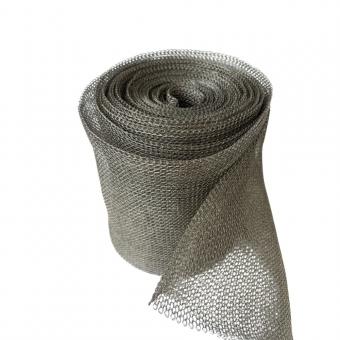
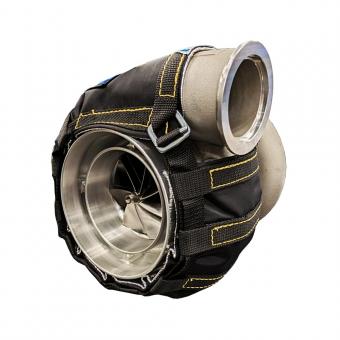
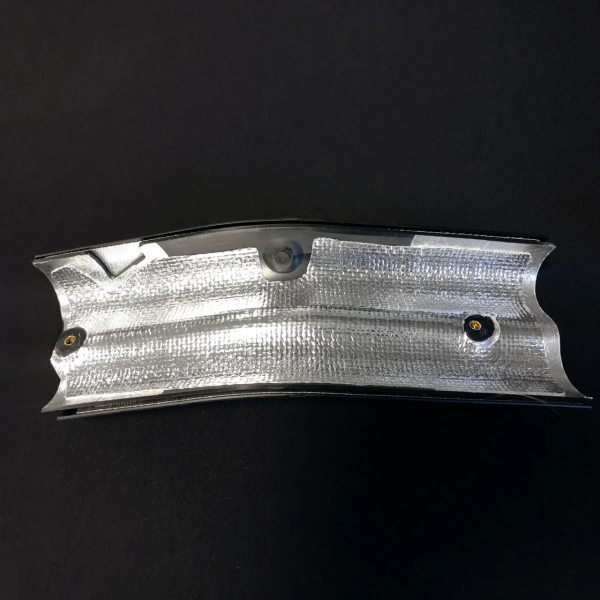
Définition (Extrait mis en avant) : Un Revêtement de protection thermique d'échappement Il s'agit d'une barrière thermique interne placée à l'intérieur d'un ensemble de bouclier thermique afin de réduire le transfert de chaleur des composants d'échappement chauds vers les surfaces environnantes. Elle combine généralement un revêtement métallique (en aluminium ou en acier inoxydable) avec un couche d'isolation haute température et est fourni soit dos adhésif ou non adhésif selon la méthode de rétention.
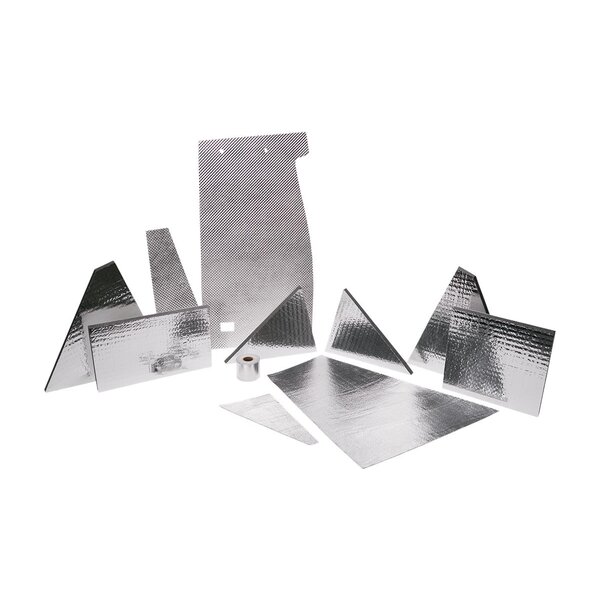
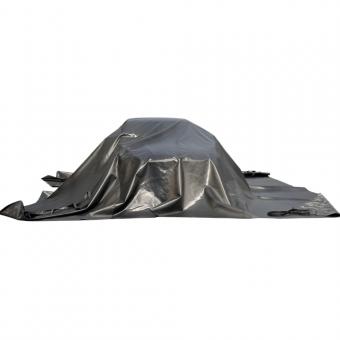
Les écrans thermiques métalliques agissent principalement comme une protection physique et une barrière radiante rudimentaire. Dans les zones d'extraction exigeantes, où les températures fluctuent rapidement et le flux d'air est variable, ces écrans métalliques peuvent néanmoins conduire la chaleur, et la température de surface des revêtements ou panneaux environnants peut alors dépasser les limites de confort ou de résistance des matériaux.
Une doublure ajoute une couche d'isolation contrôlée à l'intérieur du système de protection thermique, améliorant la résistance thermique sans nécessiter une refonte complète du système d'échappement.
Un revêtement assure la gestion de la chaleur en agissant sur deux voies principales :
En pratique, le revêtement fonctionne comme un « empilement thermique » compact optimisé pour un espace d'installation limité et les vibrations réelles.
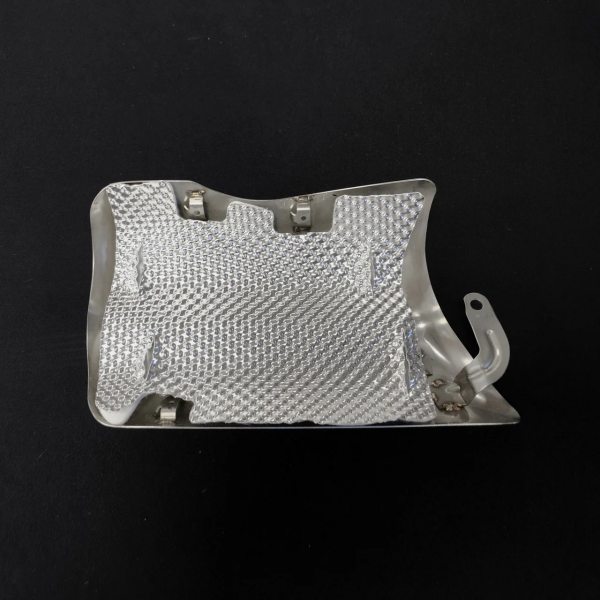
revêtement en aluminium Il est largement utilisé lorsque la réflectivité et la faible masse sont prioritaires. revêtement en acier inoxydable Ce type de revêtement est généralement choisi lorsque la durabilité, la résistance à l'abrasion et la résistance à la corrosion sont primordiales, notamment dans les environnements difficiles ou lors d'intervalles d'entretien prolongés.
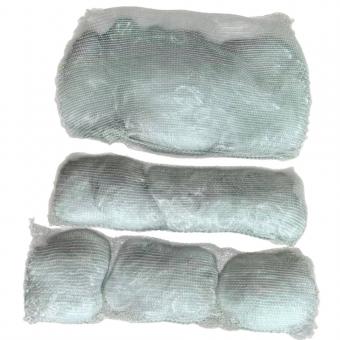
Le choix de la couche isolante repose sur un compromis entre performances thermiques et contraintes d'encombrement. Les principaux critères de sélection sont l'espace disponible, la réduction de température visée, l'exposition aux vibrations et le cycle de service (croisière stable, ralenti/démarrages fréquents ou utilisation hors route).
Vous trouverez ce type de revêtement dans des endroits où la chaleur doit être contrôlée dans un emballage compact :
Si vous recherchez un kit de doublure de protection thermique d'échappement Pour les emballages OEM/ODM ou de rechange, ces paramètres accélèrent l'établissement des devis et réduisent les cycles de reconception :
BSTFLEX fabrique des produits de protection thermique haute température pour les applications automobiles et de sports motorisés. Nous proposons des solutions sur mesure. revêtement de protection thermique programmes avec :
Pour recevoir rapidement un devis de BSTFLEX, veuillez fournir :
Notre équipe vous recommandera une construction adaptée et vous fera parvenir rapidement un devis.
Quelle est la différence entre un écran thermique et une doublure d'écran thermique ?
Un écran thermique est l'enveloppe protectrice extérieure. Une doublure est la couche thermique interne qui augmente la résistance thermique du système d'écran thermique et contribue à réduire l'élévation de température de la surface extérieure.
L'aluminium ou l'acier inoxydable est-il préférable pour la couche de parement ?
L'aluminium est généralement choisi pour sa réflectivité et sa faible masse. L'acier inoxydable est souvent privilégié pour sa durabilité et sa résistance à l'abrasion et à la corrosion. Le choix dépend de l'environnement et de la durée de vie prévue.
Quand dois-je choisir des protège-slips adhésifs ?
Choisissez les modèles adhésifs pour une pose simplifiée et un assemblage plus rapide. Optez pour les modèles non adhésifs si la fixation mécanique est préférable ou si la possibilité de retrait et de retouche est importante.
Est-il possible de fournir ce produit sous forme de kit personnalisé ?
Oui. Les fabricants peuvent fournir des feuilles universelles ou des kits de découpe de précision à partir de dessins, de gabarits ou d'échantillons.

No.10, Chuangxin North Road, Nanshan Park, Ningguo Economic and Technological Development Zone, Ningguo City, Anhui Province, China
tél/Whatsapp : 0086-15856303740
e-mail : sales@bstbraidedsleeve.com
Skype : vanesa-cheng