que cherchez-vous?
Pour la plupart des installations de chauffage de stationnement, Isolation des tuyaux d'échappement en fibre de verre est le choix pratique lorsque vous recherchez une couverture souple et légère ainsi qu'une réduction de chaleur simple. gaine d'échappement en silicone Il est généralement préférable d'utiliser une surface extérieure plus résistante lorsque le circuit d'échappement est exposé à l'abrasion, aux projections d'eau, aux huiles ou à des conditions d'utilisation difficiles. BSTFLEX propose les deux options. Isolation du tuyau d'échappement d'un chauffage diesel .
Si vous sélectionnez isolation du tuyau d'échappement Dans un chauffe-parking, le meilleur matériau dépend de trois facteurs : l’espace d’installation, l’exposition environnementale et le niveau de contrainte physique que subira le manchon au fil du temps.
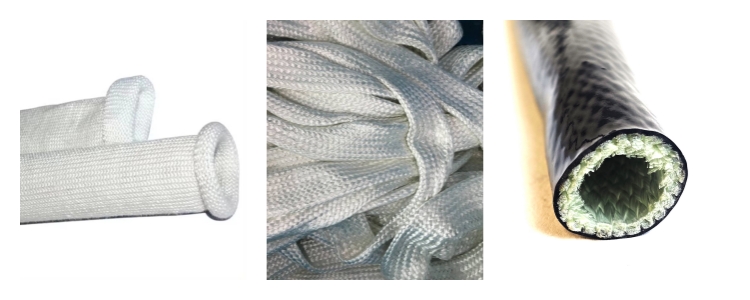
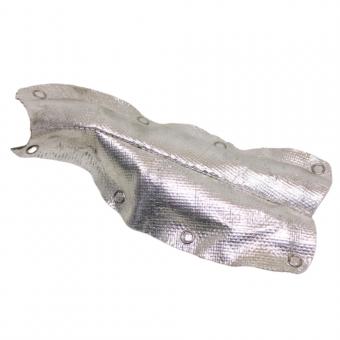
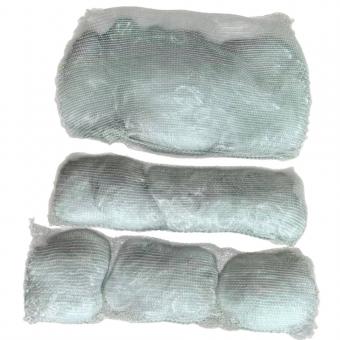
L'isolation à base de fibre de verre est largement utilisée pour le raccordement des conduits d'évacuation des chauffages de stationnement car elle est flexible, facile à manipuler et efficace pour réduire la température de surface des gaz d'échappement. BSTFLEX décrit son Chaussettes isolantes pour échappement en fibre de verre comme solution permettant de réduire considérablement les températures de surface des gaz d'échappement et parfaitement adaptée aux espaces restreints tels que les installations marines et de camping-cars.
Cela fait de la fibre de verre un excellent choix lorsque :
Les produits BSTFLEX concernés comprennent :
L'isolation revêtue de silicone ajoute une couche extérieure plus protectrice à une base en fibre de verre. BSTFLEX affirme que son Gaine d'échappement en silicone de protection haute température Il est fabriqué en fibre de verre recouverte de silicone et est conçu pour résister à la chaleur, à l'abrasion, aux produits chimiques et aux huiles tout en protégeant les composants voisins des dommages liés à la chaleur.
Cela fait du silicone la meilleure option lorsque :
BSTFLEX note également dans son article sur les manchons d'échappement en silicone que le revêtement en silicone agit comme une barrière thermique qui réduit le transfert de chaleur du système d'échappement.
Pour les systèmes de chauffage de stationnement compacts en particulier, les produits BSTFLEX Manchon d'isolation thermique pour tuyau d'échappement de chauffage de stationnement Il est décrit comme compatible avec des tuyaux jusqu'à 24 mm et résistant à des températures jusqu'à 400 °C, ce qui en fait une option de montage direct pour les petits conduits d'évacuation de chauffage.
Utilisez la fibre de verre pour la régulation thermique générale.
Utilisez des manchons, des calorifuges ou des gaines en fibre de verre lorsque l'exigence principale est de base.
isolation du tuyau d'échappement
et l'environnement n'est pas particulièrement hostile.
Utilisez du silicone pour les conditions d'utilisation plus difficiles.
Utilisez une gaine d'échappement revêtue de silicone lorsque l'installation est soumise à l'abrasion, aux éclaboussures, aux huiles ou à des exigences de durabilité plus élevées.
La fibre de verre est généralement préférable pour l'isolation des conduits d'évacuation des chauffages de stationnement à usage général, tandis que le silicone est préférable lorsque le conduit est exposé à l'abrasion, aux éclaboussures ou à des conditions d'utilisation plus difficiles.
Les performances thermiques de base proviennent souvent de la base en fibre de verre, tandis que la couche extérieure en silicone améliore principalement la protection contre l'abrasion, les huiles, les produits chimiques et les dommages liés à la manipulation.
Le manchon de tuyau d'échappement pour chauffage de stationnement de BSTFLEX est spécialement conçu pour les systèmes d'échappement compacts, s'adapte aux tuyaux jusqu'à 24 mm et est destiné aux camping-cars, bateaux, véhicules et équipements motorisés.
Envoyez-nous le type de votre chauffage, le diamètre du tuyau d'évacuation, des photos du tracé et les caractéristiques de votre environnement. Nous vous recommanderons la solution la plus adaptée. Isolation du tuyau d'échappement Nous proposons des solutions pour votre chauffage de stationnement et obtenons rapidement un devis.
Demander un devis | Voir les produits d'isolation des systèmes d'échappement

No.10, Chuangxin North Road, Nanshan Park, Ningguo Economic and Technological Development Zone, Ningguo City, Anhui Province, China
tél/Whatsapp : 0086-15856303740
e-mail : sales@bstbraidedsleeve.com
Skype : vanesa-cheng