que cherchez-vous?
Dans l'industrie automobile d'aujourd'hui, matériaux de protection thermique pour l'automobile Les composants thermiques ne sont plus optionnels : ils sont devenus des éléments essentiels à la sécurité, aux performances et à la durabilité à long terme des véhicules. Face à l’augmentation de la puissance des moteurs et au durcissement des normes d’émissions, une gestion thermique efficace est devenue une priorité d’ingénierie majeure.
Ce guide, présenté sous forme de livre blanc, explore matériaux de protection thermique automobile avancés , leurs applications concrètes et comment le choix de matériaux professionnels peut avoir un impact direct sur la fiabilité des véhicules et l'efficacité de la production.
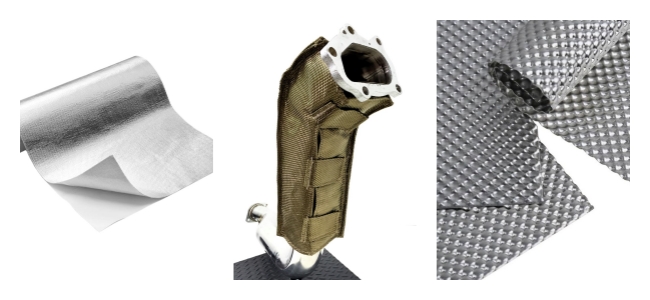
Les véhicules modernes fonctionnent dans des conditions thermiques de plus en plus extrêmes. Les systèmes d'échappement, les turbocompresseurs et les pots catalytiques atteignent régulièrement des températures dépassant plusieurs centaines de degrés Celsius. Sans matériaux de protection thermique automobile fiables, une chaleur excessive peut entraîner :
Défaillance prématurée des composants en plastique et en caoutchouc
Dommages aux faisceaux de câbles et aux systèmes d'alimentation en carburant
Efficacité réduite du moteur
Augmentation des demandes de garantie et des risques pour la sécurité
Pour les équipementiers et les fournisseurs de premier rang, investir dans la solution de protection thermique adéquate n'est pas seulement une décision technique, c'est une décision stratégique.
Les matériaux de protection thermique automobile de haute qualité doivent offrir protection thermique constante dans des conditions réelles et pas seulement les tests en laboratoire. Les écrans thermiques de qualité professionnelle sont conçus pour :
Réfléchir la chaleur rayonnante loin des composants critiques
Isoler contre le transfert de chaleur par conduction
Maintenir l'intégrité structurelle sous l'effet des vibrations et des cycles thermiques
Résiste à la corrosion, à l'oxydation et au vieillissement à long terme
Ces exigences de performance influencent directement le choix des matériaux.
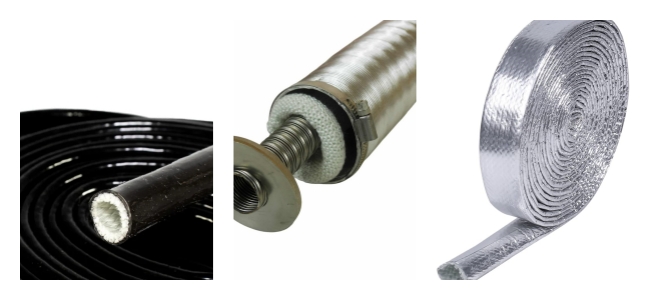
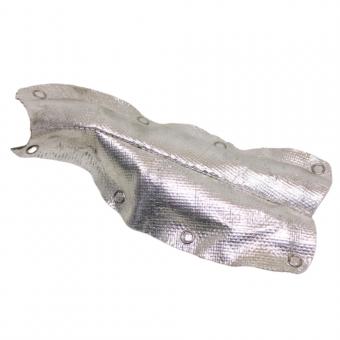
L'aluminium demeure l'un des matériaux de protection thermique automobile les plus populaires grâce à son excellent équilibre entre performance et poids.
Principaux avantages en matière de performance :
Réflectivité thermique élevée
Léger pour une meilleure efficacité énergétique
Bonne formabilité pour les conceptions de véhicules complexes
Applications typiques :
écrans thermiques du compartiment moteur
protection thermique du soubassement
couches externes du système d'échappement
Les écrans thermiques en aluminium sont fréquemment associés à des couches isolantes pour améliorer l'efficacité thermique globale.
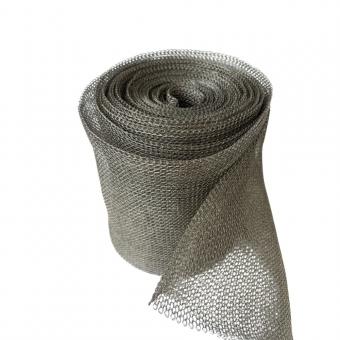
Dans les environnements à haute température et à fortes contraintes, l'acier inoxydable offre une durabilité inégalée.
Principaux avantages en matière de performance :
Excellente résistance à la chaleur extrême
haute résistance mécanique
Longue durée de vie en environnements difficiles
Applications typiques :
écrans thermiques du turbocompresseur
Collecteurs d'échappement
protection du convertisseur catalytique
Les matériaux de protection thermique automobile en acier inoxydable sont idéaux pour les zones exigeant une stabilité thermique et structurelle maximale.
Les matériaux isolants jouent un rôle crucial dans les systèmes de protection thermique avancés.
Principaux avantages en matière de performance :
Faible conductivité thermique
haute tolérance aux températures
Intégration flexible dans des conceptions multicouches
Applications typiques :
Isolation par bande d'échappement
Noyaux de bouclier thermique
coussinets d'isolation du compartiment moteur
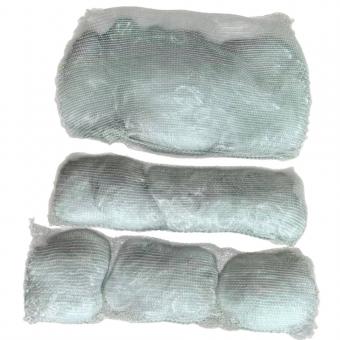
L'isolation en fibres céramiques peut résister à des températures supérieures à 1000 °C, ce qui la rend adaptée aux applications automobiles exigeantes.
Pour répondre aux exigences des véhicules modernes, de nombreux constructeurs privilégient désormais matériaux composites de protection thermique pour l'automobile .
Une structure typique comprend :
Une couche extérieure en métal réfléchissant
Un noyau isolant haute température
Avantages des écrans thermiques composites :
performances thermiques supérieures
Poids réduit
résistance aux vibrations améliorée
Durée de vie plus longue
Ces solutions sont largement adoptées dans les systèmes d'échappement avancés et les systèmes de gestion thermique du soubassement.
Écrans réfléchissants en aluminium avec support isolant
Conçu pour protéger les composants électroniques, les tuyaux et les pièces en plastique
Acier inoxydable ou aluminium avec isolation céramique
Conçu pour une exposition continue à des températures élevées
matériaux composites légers pour écrans thermiques
Empêcher le transfert de chaleur vers l'intérieur du véhicule
De nombreuses défaillances des écrans thermiques ne sont pas dues à la mauvaise qualité des matériaux, mais à cause de choix de matériaux ou conception structurelle incorrects Les solutions professionnelles en matière de matériaux de protection thermique pour l'automobile prennent en compte :
Températures de fonctionnement réelles
Environnement d'installation et flux d'air
Vibrations et contraintes mécaniques
exigences de durabilité à long terme
Un système de protection thermique correctement conçu réduit les coûts d'entretien, améliore la sécurité du véhicule et renforce la réputation de la marque.
Si vous développez ou améliorez des systèmes de protection thermique pour l'automobile, collaborer avec un fournisseur expérimenté de matériaux de protection thermique vous confère un avantage concurrentiel.
Nous proposons :
Solutions personnalisées de matériaux de protection thermique pour l'automobile
Assistance pour les applications OEM et de niveau 1
Le choix des matériaux est basé sur les performances réelles.
Qualité constante et approvisionnement fiable

No.10, Chuangxin North Road, Nanshan Park, Ningguo Economic and Technological Development Zone, Ningguo City, Anhui Province, China
tél/Whatsapp : 0086-15856303740
e-mail : sales@bstbraidedsleeve.com
Skype : vanesa-cheng