que cherchez-vous?

Lorsqu'un silencieux devient plus bruyant, développe un son rauque et strident, ou perd sa sonorité douce, la cause principale est souvent la dégradation de la garniture plutôt qu'un endommagement de l'enveloppe. laine isolante pour silencieux haute température Il s'agit du fluide thermo-acoustique contenu dans les silencieux et les pots d'échappement réutilisables. Il réduit le bruit, contribue à stabiliser le comportement des gaz d'échappement et peut limiter les points chauds internes lorsqu'il est correctement installé.
Ce guide est conçu pour acheteurs, mécaniciens, ateliers de préparation et équipes des constructeurs automobiles qui souhaitent une durée de vie plus longue, moins de reconditionnements et moins de plaintes, notamment pour les motos de performance, les véhicules tout-terrain, les systèmes turbo, les générateurs et les lignes d'échappement industrielles.
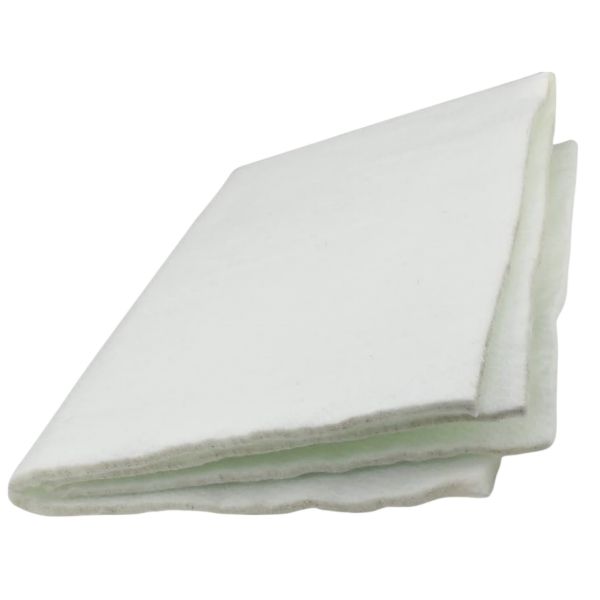
De nombreux fournisseurs qualifient tous leurs produits de « laine d'échappement ». En pratique, les performances à haute température dépendent de quatre facteurs essentiels :
1) Exposition à la chaleur au niveau du noyau perforé
Les températures localisées près du cœur peuvent être bien supérieures à celles mesurées sur l'enveloppe extérieure. Le garnissage cède généralement en premier au niveau de l'interface avec le cœur.
2) Pulsation et turbulence
Les conceptions à régime élevé et à boîtier court créent de fortes impulsions de gaz qui érodent les fibres et les poussent à travers les perforations.
3) Humidité et contamination
Les vapeurs d'huile ou le condensat peuvent faire s'effondrer la structure des fibres et réduire l'absorption acoustique.
4) Architecture d'emballage
La durabilité est souvent déterminée par la conception, et non par un seul matériau. Dans de nombreux silencieux reconditionnables,
un système multicouche (emballage central + emballage primaire)
dure plus longtemps qu'un remplissage monomatériau.
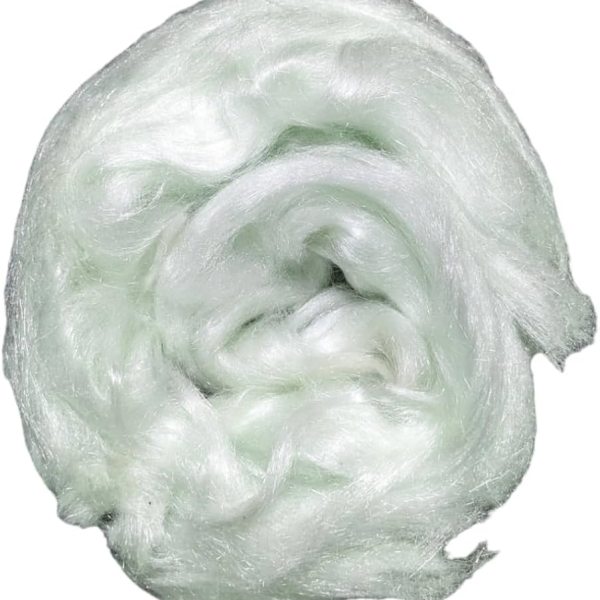
L'isolation acoustique en fibre de verre est largement utilisée car elle s'installe facilement et offre une absorption acoustique stable pour les applications routières courantes.
Idéal pour :
motos de route, véhicules de tous les jours, reconditionnements automobiles typiques
Attention :
Durée de vie plus courte en cas de fortes pulsations ou de très hautes températures, sauf si le noyau est protégé.
On privilégie généralement le garnissage en basalte lorsque les températures dépassent les zones de confort standard de la fibre de verre. Il a tendance à mieux conserver sa structure sous l'effet de la chaleur et constitue un excellent choix pour les conditions de performance exigeantes.
Idéal pour :
systèmes de performance, environnements vibratoires hors route, intervalles de reconditionnement plus longs
Attention :
éviter la surcompression ; une densité excessive réduit l'efficacité acoustique
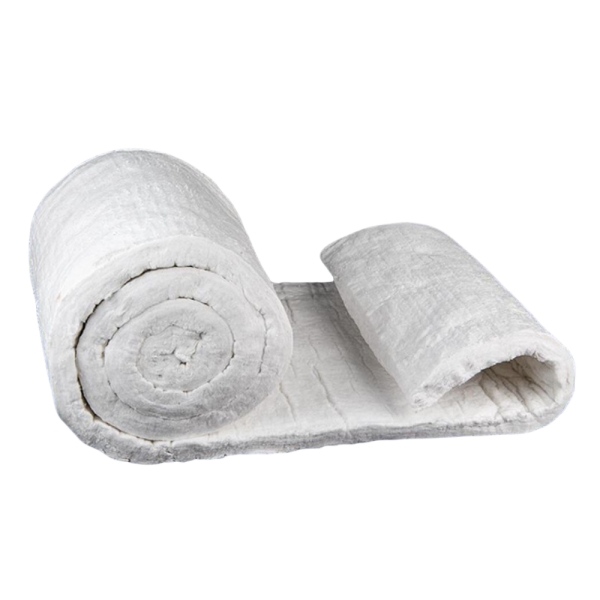
On utilise généralement des garnitures en céramique lorsque les températures sont constamment extrêmes et que les fibres standard se dégradent rapidement.
Idéal pour :
exposition à des températures extrêmes, cycles de service industriels en régime permanent
Attention :
Veuillez confirmer le format (remplissage en tapis ou en vrac) requis par la conception de votre silencieux.
Si votre mode de défaillance est « l'usure prématurée du garnissage », la solution ne consiste souvent pas uniquement à remplacer le garnissage principal. L'amélioration la plus efficace pour prolonger sa durée de vie consiste à ajouter… enrobage en laine d'acier inoxydable autour du tube perforé.
Que fait l'enveloppe centrale :
réduit la migration des fibres à travers les perforations
ralentit l'érosion en cas de turbulence
stabilise le son et les performances plus longtemps entre les réemballages
Si vous souhaitez un cadre de décision pratique :
Usage urbain/quotidien :
tapis d'emballage en fibre de verre
Haute chaleur / performance / tout-terrain :
Garniture en basalte (ou en céramique pour usage extrême)
Si les déchirures sont fréquentes :
Enveloppez d'abord le noyau en laine d'acier inoxydable, puis installez le garnissage primaire.
Cette approche par couches permet de répondre à la plainte la plus courante : « Le bruit est redevenu bruyant trop tôt. »
1) Protégez d'abord le noyau
Enveloppez le tube perforé avec
enrobage en laine d'acier inoxydable
Le cas échéant, avant d'installer le joint principal. Il s'agit souvent de l'étape la plus efficace pour prolonger la durée de vie du produit.
2) Maintenir une épaisseur uniforme
Un emballage irrégulier crée des points chauds et des zones acoustiques faibles, réduisant ainsi la durabilité et le contrôle du son.
3) Éviter la surcompression
La surcompression réduit la structure vide qui absorbe l'énergie sonore et accélère l'affaissement du garnissage.
4) Adapter le style de garniture au design du silencieux
Emballage du tapis :
épaisseur uniforme et installation propre
Garnitures d'oreiller :
Service rapide pour certaines géométries
Remplissage en vrac :
à utiliser uniquement lorsque le design est prévu à cet effet.
1) Qu'est-ce qu'une température élevée ?
laine isolante pour silencieux
utilisé pour ?
Il est utilisé comme matériau de garnissage thermo-acoustique à l'intérieur des silencieux et des pots d'échappement remplaçables afin de réduire le bruit, de stabiliser le comportement des gaz d'échappement et de contribuer à la gestion de la concentration de chaleur près du noyau.
2) Quel matériau dure le plus longtemps : la fibre de verre, le basalte, la céramique ou la laine d’acier inoxydable ?
La durée de vie dépend de la chaleur, des pulsations et de la densité d'installation. Dans de nombreux silencieux remplaçables, la configuration la plus durable est
Enveloppe en laine d'acier inoxydable + emballage primaire
(fibre de verre, basalte ou céramique), plutôt que de s'appuyer sur un seul matériau.
3) La laine d'acier inoxydable peut-elle être utilisée comme seul matériau d'emballage ?
Dans certains modèles, oui. Cependant, de nombreuses applications utilisent de la laine d'acier inoxydable comme couche protectrice pour éviter l'éclatement, tout en utilisant un garnissage acoustique primaire pour une meilleure absorption du son.
4) Quand faut-il remplacer le garnissage d'un silencieux ?
Les signes courants d'un problème incluent un bruit d'échappement plus important, une tonalité aiguë plus rauque ou une perte visible de fibres. La fréquence d'entretien varie selon le régime moteur, les vibrations, l'exposition à l'humidité et la conception du silencieux.
5) Quelle est l'erreur d'installation la plus courante ?
Deux problèmes sont à l'origine de la plupart des défaillances prématurées :
surcompression de l'emballage
et
protection du noyau non incluse
.
Si vous vous approvisionnez laine isolante pour silencieux haute température ou pour la conception d'un kit de regarnissage adapté à votre marché, BSTFLEX propose des options de garnissage en fibre de verre, basalte et céramique, ainsi que d'autres matériaux. enrobage en laine d'acier inoxydable des solutions pour les constructions axées sur la durabilité.
Veuillez nous communiquer les détails de votre application (type de moteur, diamètre et longueur du noyau du silencieux, plage de températures de fonctionnement et réduction sonore souhaitée). Nous vous recommanderons la solution d'emballage et le format de livraison les plus adaptés à vos besoins, que ce soit pour votre production ou le marché de la rechange.

No.10, Chuangxin North Road, Nanshan Park, Ningguo Economic and Technological Development Zone, Ningguo City, Anhui Province, China
tél/Whatsapp : 0086-15856303740
e-mail : sales@bstbraidedsleeve.com
Skype : vanesa-cheng