que cherchez-vous?

BSTFLEX is an automotive heat shield material manufacturer supplying embossed stainless steel, aluminum and Alloy 625 options for OEM thermal protection projects. We supply material for customers who cut, fold, stamp or assemble heat shields in their own production process, with custom dimensions and processing requirements reviewed against the project specification.
For a repeat-production order, the requirement is more precise than a metal name and a photograph. Purchasing needs to identify the sheet that produced the approved part: its grade, supply condition, base-metal thickness, embossed pattern and usable dimensions. That definition is the starting point for sampling, quotation and subsequent deliveries.
Send an existing drawing, a material specification or a sample with your required quantity. BSTFLEX can review the supply scope before you commit to a production material.
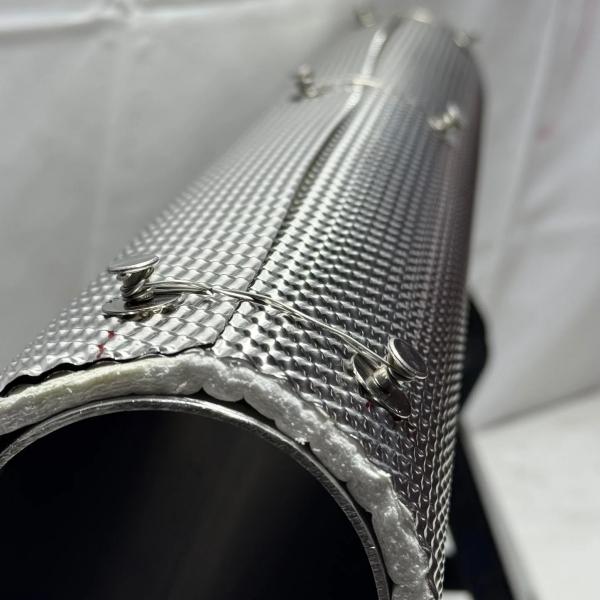
The products below provide separate starting points for an inquiry. Select the material specified by your engineering team, or identify material selection as an open requirement. Do not treat the three metals as interchangeable versions of the same sheet.
| Material Product | Supply Options to Discuss | Details to Confirm Before Sampling |
|---|---|---|
| Embossed stainless steel heat shield material | Sheet supply, custom dimensions and drawing-based parts. Listed popular thicknesses include 0.1 mm, 0.15 mm and 0.2 mm. Existing and custom embossing patterns are available. | Stainless grade, base-metal gauge, pattern reference, sheet dimensions and downstream forming requirements. |
| Embossed aluminum thermal barrier sheet | Textured aluminum sheet for cutting, folding and shaping. Custom sheet sizes can be requested. | Required alloy and temper, thickness, usable panel size, surface requirements and production quantity. |
| Alloy 625 Inconel heat shield material | Barrier sheet, formed panels and custom-cut profiles, with embossed and multilayer options reviewed by project. | Alloy specification, sheet or assembly scope, gauge, surface pattern and any additional layers. |
These are product options, not a statement that every grade, thickness and format is held in stock. The quotation should identify the proposed construction and any requirements that still need approval.
A stamping company, a heat shield fabricator and a replacement-parts distributor may start from the same metal but need different deliveries. Tell us what happens to the material after it arrives.
Rectangular sheets. Specify the outside dimensions and the usable patterned area needed for your cutting layout. Include any allowance required for gripping, trimming or locating the sheet. For nesting several parts together, provide the proposed layout rather than only the dimensions of one finished shield.
Cut blanks. Supply the blank drawing separately from the finished-part drawing. Identify which edges will be trimmed later and which are final. Mark orientation when the pattern must follow a particular direction through forming or assembly.
Coil-fed requirements. State the requested strip width, coil dimensions, winding direction and handling limits for review. Coil availability must be confirmed for the selected metal, gauge and embossed construction; a sheet listing is not confirmation of coil supply.
Finished formed parts. Define the additional operations and inspection requirements separately from sheet procurement. For a drawing-based component rather than incoming material, review the metal stamping heat shield range.
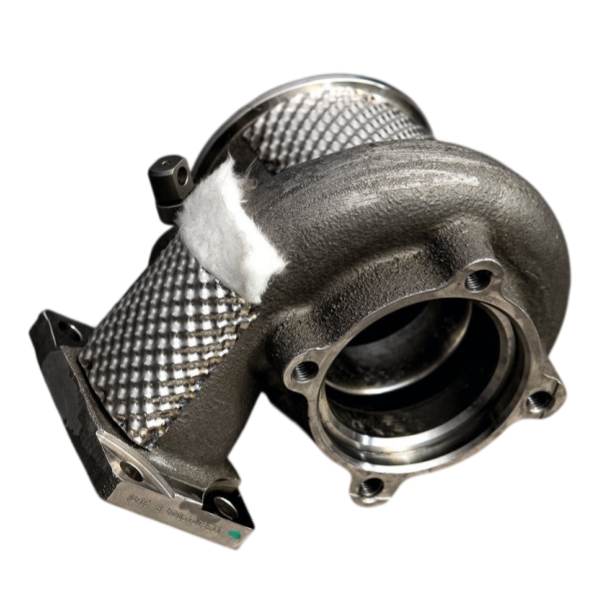
BSTFLEX has multiple existing embossing molds for stainless steel heat shield sheet and supports custom pattern development. An existing pattern can be reviewed first when the drawing does not require a specific profile.
Use a pattern reference, dimensioned profile or approved physical sample to define the requirement. Descriptions such as dimpled, hammered or diamond pattern can help start a discussion, but they are not precise enough to approve repeat production.
Record the feature spacing, profile height, orientation and any areas where the pattern must stop. Where the geometry is critical, agree the measurement method and acceptable variation. A photograph is useful for identification, but it should not be the only acceptance reference.
For an existing part, tell us whether the requirement is an exact pattern match or an alternative that can be evaluated in your process. Do not approve a change merely because two sheets look similar.
The finished heat shield drawing may specify mounting holes and vehicle clearances without fully defining the sheet supplied to the forming line. Use an incoming-material specification alongside the component drawing.
| Control Item | What to Put in the Material Specification |
|---|---|
| Material identity | Exact alloy or grade, applicable material specification and temper or supply condition where required. |
| Thickness definition | Base-metal thickness and tolerance, recorded separately from the overall embossed profile height. |
| Pattern and orientation | Approved pattern reference, dimensional requirements and direction relative to the sheet or blank. |
| Usable dimensions | Sheet or blank size, trimming allowance, edge condition and the area required for your cutting layout. |
| Surface acceptance | Agreed limits for damage, contamination, creases and pattern defects, with reference samples where useful. |
| Order identification | Customer part number, specification revision, lot identification and requested inspection records. |
For example, a purchase description that gives only 0.15 mm stainless steel leaves the grade, pattern and usable size unresolved. Adding more decimal places to the thickness does not resolve those missing requirements.
Keep material acceptance separate from vehicle-level approval. A sheet can meet its purchase specification without proving that the completed heat shield meets every installation requirement.
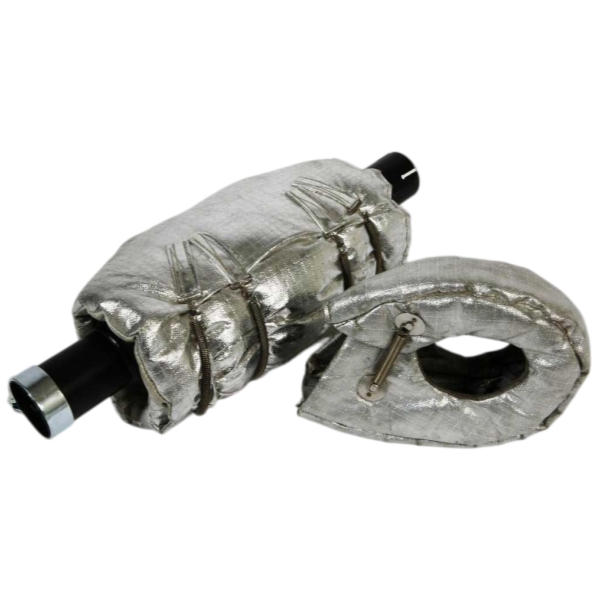
Make the sample request representative of the proposed production supply. Agree the metal, supply condition, gauge, embossing reference and dimensions before evaluating the sample.
Where practical, run the sample through the intended blanking, forming and assembly operations. Check the finished outline, flange condition, attachment areas and any features your process identifies as critical. Define the acceptance criteria before the trial rather than selecting them after seeing the result.
When prototype processing differs from the planned production route, record the difference and limit the approval accordingly. A hand-shaped sample may establish basic fit without approving material feeding or repeatability in a production press.
After the trial, retain the approved material reference and specification revision. Record unresolved items separately. Sample acceptance should make the next order easier to define, not leave purchasing dependent on an informal description of what worked last time.
Ask each heat shield material supplier to quote the same material definition and delivery scope. A price per sheet cannot be compared directly with a price per kilogram or per finished blank without first normalizing the quantities.
For a rectangular sheet, evaluate how many acceptable blanks your cutting layout produces. Include trimming, orientation restrictions and any unusable margins in that comparison. A lower sheet price is not necessarily a lower cost per accepted blank.
Separate material cost from new tooling, sampling, cutting, inspection documentation and special packaging. Confirm which items are one-time charges and which apply to repeat orders.
Provide trial quantity, normal batch size and estimated annual demand as separate figures. This gives the quotation a clear purchasing basis without treating an annual forecast as a committed single shipment.
BSTFLEX's quality control and traceability process includes incoming checks, in-process controls and final shipment verification, with materials and finished goods referenced to production batches. Request the documentation needed for your program during quotation.
For metal sheet supply, agree which characteristics will be inspected and reported. These might include material identification, dimensions, thickness, surface condition and the embossed features identified as critical in the specification.
Link the approved sample to the drawing revision and purchasing description. When a material, pattern, dimension or processing change is proposed, identify whether it requires renewed customer approval before shipment.
For a replacement-source project, provide the current approved specification and any known forming concerns. Keep proposed alternatives separate from the original requirement so that purchasing does not unintentionally approve a substitution while comparing prices.
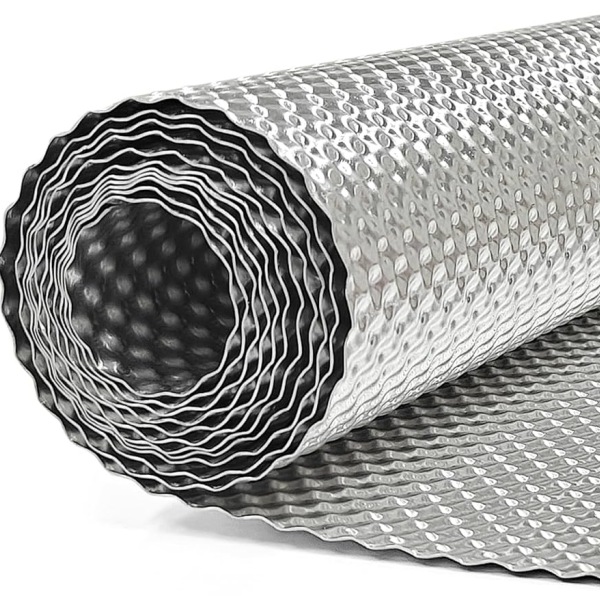
BSTFLEX offers custom packaging and labeling for OEM programs. Include the customer part number, pack quantity, label content and any identification requirements in the inquiry.
For embossed metal sheets, discuss the protection needed for the surface, edges and patterned profile during shipment and handling. Specify any restrictions on interleaving materials, residues or protective films where they could affect a later operation.
For cut blanks, request a consistent orientation and agreed quantity per pack when these are important to receiving or assembly. Confirm the packaging method with the selected material and shipment size rather than assuming one arrangement suits every metal or gauge.
For an initial quotation, send the drawing or sample reference, requested metal, thickness, pattern and delivery format. Include the required dimensions, prototype quantity, normal order quantity and delivery destination.
For an established program, add the approved revision, inspection requirements and packaging instructions. For a development project, identify the specifications that remain open and describe the downstream cutting or forming process.
When material selection is still unresolved, provide the installation context and engineering requirements as well. Separate confirmed operating data from estimates so that the material review is based on the correct assumptions.
Yes. A sample can support a review of the pattern, dimensions and required supply format. Include the original material specification when available. Any proposed material or pattern match should be documented and approved rather than accepted from appearance alone.
No common supply range should be assumed. The listed stainless steel thicknesses do not automatically apply to aluminum or Alloy 625. Confirm the required grade, gauge, dimensions and sheet or coil format for the individual inquiry.
The selected material, required dimensions, tooling, processing, sample approval and packaging requirements affect the order basis. Provide the trial and production quantities separately. Minimum order quantity and delivery timing are confirmed in the project quotation.
BSTFLEX supports requested conformity and inspection documentation. Identify the required records, reported characteristics and customer format before ordering so that the documentation scope can be agreed.
For embossed stainless steel, aluminum or Alloy 625 heat shield material, send BSTFLEX the incoming-sheet requirement as well as the finished-part drawing where available. State whether you need material for your own fabrication, cut blanks or a separately quoted formed component.
Submit your heat shield material drawing and RFQ to BSTFLEX for a review of material options, embossing requirements, sample supply and production quantities.
Mots clés :

No.10, Chuangxin North Road, Nanshan Park, Ningguo Economic and Technological Development Zone, Ningguo City, Anhui Province, China
tél/Whatsapp : 0086-15856303740
e-mail : sales@bstbraidedsleeve.com
Skype : vanesa-cheng