que cherchez-vous?
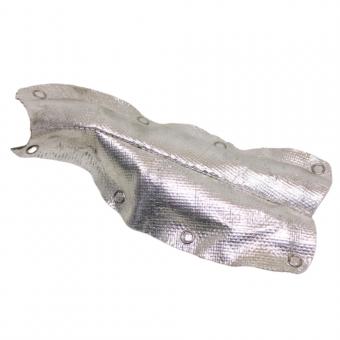
UN barrière de chaleur radiante est un type de matériau de barrière thermique Conçu pour réduire le transfert de chaleur en réfléchissant le rayonnement thermique loin des composants environnants, il est plus efficace lorsqu'il est installé avec un espace d'air stable entre la source de chaleur et la surface protégée.
Les barrières thermiques radiantes sont largement utilisées dans les compartiments moteurs automobiles, les zones chaudes sous la carrosserie, les enceintes industrielles et partout où des composants sensibles sont exposés à des surfaces chaudes telles que les systèmes d'échappement, les zones de turbo/collecteur, les catalyseurs, les réchauffeurs ou les voies d'écoulement d'air chaud.
La chaleur se propage de trois manières : par rayonnement, par convection et par conduction. Une barrière thermique radiante cible radiation — la « chaleur que l’on ressent » d’une surface chaude sans la toucher.
Un écran thermique radiant réduit la composante radiante grâce à un revêtement réfléchissant (généralement en aluminium) et/ou une structure composite qui limite le transfert de chaleur. Pour une efficacité optimale, l'écran doit être positionné de manière à « voir » la surface chaude à travers un espace d'air, plutôt que d'être plaqué contre elle.
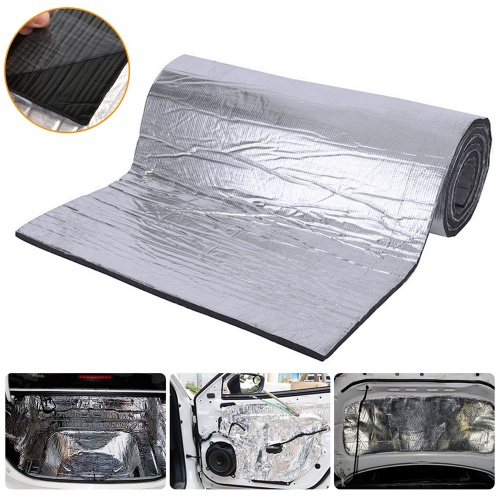
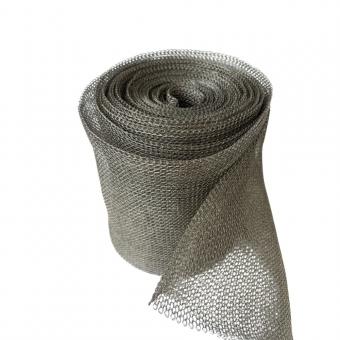
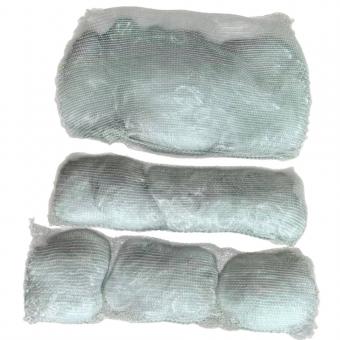
matériau de barrière thermique Il peut s'agir d'une feuille réfléchissante monocouche ou d'un composite multicouche. Les structures les plus courantes sont les suivantes :
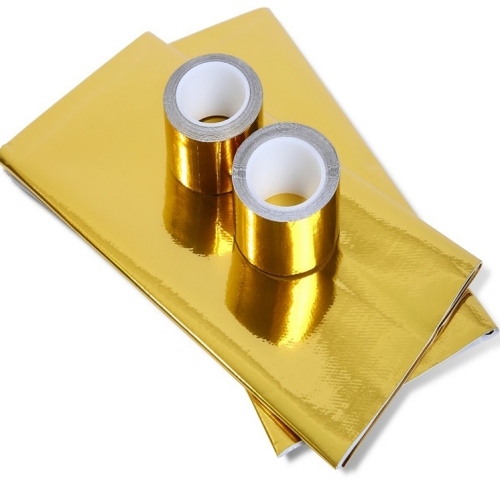
Les surfaces en aluminium sont largement utilisées car elles réfléchissent une part importante de la chaleur rayonnante. Les barrières thermiques en aluminium sont souvent privilégiées pour les compartiments moteur, la réduction de l'échauffement des admissions d'air, la protection du tablier et la protection du soubassement.
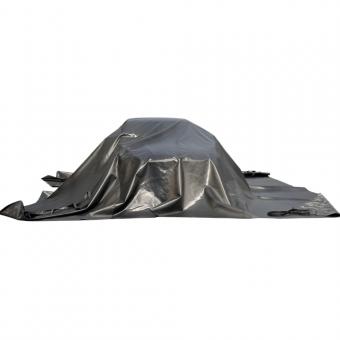
UN feuille barrière thermique Le format est à privilégier pour couvrir de grandes surfaces telles que des panneaux, des cloisons, des boîtiers ou des parois d'enceinte. Le choix optimal dépend du dégagement disponible, des vibrations, du risque d'abrasion et de l'exposition aux huiles ou aux projections.
UN barrière thermique auto-adhésive Idéal pour une installation rapide sur des supports propres et stables, ce système adhésif offre une excellente adhérence lorsque la préparation de surface est adéquate et que l'adhésif reste dans sa plage de température optimale. Dans les zones à fortes vibrations, une fixation mécanique ou un contrôle des bords est souvent recommandé.
Si vous souhaitez consulter les structures disponibles sur notre site web, veuillez consulter : Matériaux de barrière thermique et produits de barrière contre la chaleur radiante .
Utilisez la liste de vérification ci-dessous pour éviter les erreurs de sélection les plus courantes :
Une barrière thermique radiante est un matériau conçu pour réfléchir le rayonnement thermique loin des composants voisins, réduisant ainsi l'accumulation de chaleur et améliorant la fiabilité.
Non. L'isolation réduit les transferts de chaleur à travers l'épaisseur et les structures d'air/fibres emprisonnées. Un écran thermique radiant vise à réfléchir l'énergie rayonnante, et de nombreux produits combinent les deux approches.
Oui. La plupart des barrières thermiques radiantes fonctionnent de manière optimale avec un espace d'air stable. Si des vibrations provoquent un contact, traitez-le comme une chaleur de contact et améliorez la fixation et le contrôle des bords.
Utilisez des barrières adhésives pour une installation rapide sur des supports propres et stables. Dans les zones à fortes vibrations, envisagez une fixation mécanique ou des bords renforcés.
Veuillez nous envoyer des photos de la zone chaude, du dégagement, du type de substrat, de la surface à couvrir et de votre préférence de montage. Nous pourrons ainsi vous recommander la structure la plus adaptée à votre application.
Indiquez-nous votre zone de température, le dégagement nécessaire et le mode de montage. Nous vous recommanderons une solution adaptée. barrière de chaleur radiante et fournir les documents techniques si nécessaire.

No.10, Chuangxin North Road, Nanshan Park, Ningguo Economic and Technological Development Zone, Ningguo City, Anhui Province, China
tél/Whatsapp : 0086-15856303740
e-mail : sales@bstbraidedsleeve.com
Skype : vanesa-cheng