A diesel heater's heating-air inlet can draw air from the cabin or from outside, where the model permits those arrangements. Fresh-air intake brings air in from outside. Recirculation returns air from the heated space. The choice affects heating demand, inlet position, duct selection and temperature control.
A return-air hose routed under a seat is only part of the circuit. Air also needs a clear path from the occupied space back to that hose. Closing a locker lid or fitting the final trim can change that path.
Identify the Heating-Air Inlet Before Ordering a Hose
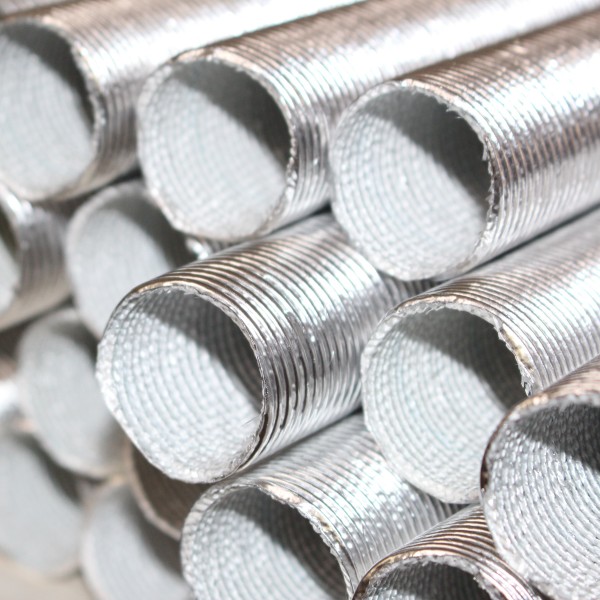
The heating-air inlet supplies the air that passes over the heat exchanger and enters the cabin. The combustion-air inlet supplies the burner through a separate circuit. A drawing or photograph should identify both connections before anyone orders a part described simply as a “diesel heater intake hose.”
The terms cold-air inlet and return-air inlet often refer to the cabin-heating circuit. “Cold” means the air has not yet passed through the heater; it may already be at room temperature. Identify the connection by function and the heater's documentation.
For the burner-side hose, see the separate diesel heater combustion-air intake hose guide. A cabin recirculation layout does not permit combustion air to be drawn from an occupied living space.
Fresh Air and Recirculation Change the Inlet Conditions
Where the heater permits both arrangements, the main differences are the air source and the route through the occupied space.
| Design question | Recirculated cabin air | Outside fresh air |
|---|---|---|
| Where does the air come from? | The cabin or other approved heated space. | An approved external intake location. |
| What temperature enters the heater? | Usually follows the temperature of the space being heated. | Follows outdoor conditions at the intake. |
| What air path is needed? | A return route from the heated space to the inlet. | A supply route into the space and a suitable route for displaced air to leave. |
| Does it introduce outside air? | Recirculation alone does not introduce new outside air. | It introduces outside air while that circuit is operating. |
| What needs particular attention? | Return openings, storage obstructions and the temperature-sensing location. | Exhaust contamination, water exposure, cold-weather heating demand and the permitted inlet arrangement. |
At the same airflow and target delivery temperature, colder inlet air requires a greater temperature rise. Recirculation uses air already warmed in the cabin, reducing that part of the heating demand. When comparing operating costs, use the same outdoor conditions and cabin-temperature target for both layouts. Heat loss from the vehicle or boat also affects the result.
Does the Diesel Heater Air Intake Need to Be Outside?
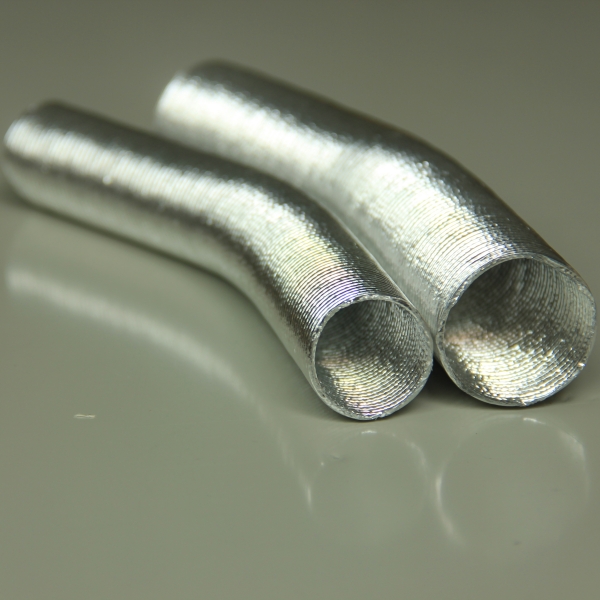
The answer depends on which inlet you mean and which heating-air layouts the manufacturer allows. Some heaters support fresh-air operation. Other installation instructions discourage it because the external inlet may draw in exhaust from the heater, the vehicle or nearby equipment.
For an allowed fresh-air arrangement, the installer must assess where the incoming air will come from throughout use. An opening that is clear when the vehicle is parked alone may face a different environment beside another vehicle. On a boat, spray and water entry also influence the location and protection of the intake.
A heater located outside the heated space does not necessarily need an outside-air supply. Where the manufacturer permits it, a return-air duct can bring cabin air to that heater. Record the mounting location and the heating-air source separately on the installation drawing.
Keep ventilation requirements separate from the heater's air-source choice. Fresh-air operation depends on the heater running and the permitted installation. It does not replace the required cabin ventilation or make exhaust contamination acceptable.
A Closed Seat Box Still Needs a Return-Air Path
For a heater installed beneath a seat or inside a cabinet, trace the return route with the lid, doors and trim in their normal positions. The inlet may look unobstructed during assembly because the enclosure is open. Once it is closed, the intended grille or return duct has to carry the air.
Record the grille's effective open area and the space behind it. Its outside dimensions include the frame and slats, so they do not describe the available passage. The required opening comes from the heater's installation instructions; a decorative vent of similar overall size may have different airflow characteristics.
Where a closed door separates a heated room from the heater, the return route must remain available in that condition. Locate openings where bedding, luggage and stored tools will not cover them, and retain access for inspection.
Include the Inlet Hose in the Airflow Assessment
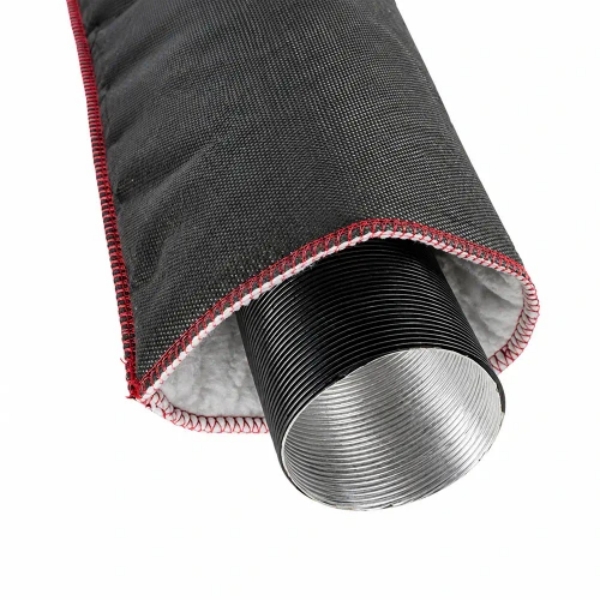
The blower has to move air through the inlet as well as the outlet ducting. Return-air hose, bends, grilles and inlet accessories all contribute to resistance. A generous warm-air outlet does not resolve a restricted inlet.
Use the heater manufacturer's method to assess the complete heating-air circuit. Record the inlet bore, route length, bends and terminal components. Give these as separate inlet details on the parts list instead of assuming that the outlet duct's dimensions and limits apply at both ends.
If filtration is needed, ask for the heater's specified arrangement and its maintenance requirements. Added filter material changes the restriction. The design needs to account for the selected component rather than treating it as an unrestricted protective cover.
Match the Temperature Sensor to the Space Being Heated
Depending on the heater and controller, temperature control may use a sensor near the heating-air inlet, a sensor in the control panel or a separate room sensor. Identify which one is active before changing the air source.
With a fresh-air intake, an inlet-mounted sensor measures the incoming outdoor air. The heater may therefore need a separate cabin sensor or another control arrangement specified for that operating mode. In this context, an “external temperature sensor” generally means a sensor outside the heater housing, not a sensor mounted outdoors.
Place a room sensor as directed for the selected system, where it represents the occupied space. Direct warm-air discharge, sunlight or a position hidden behind cushions can distort the reading. Moving the inlet and leaving the control arrangement unreviewed can change how the heater responds.
Select Duct Construction for Its Actual Location
An outside air source does not mean every section of duct is outdoors. Equally, a return-air duct may pass through a cold or exposed service space. Specify where the hose will be installed and what it will encounter along the route.
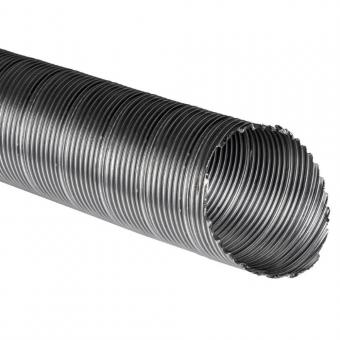
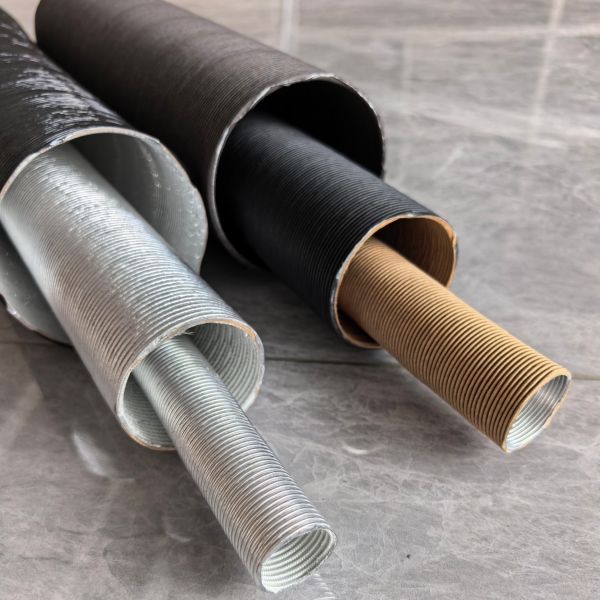
The BSTFLEX PAP Paper Aluminum Air Duct has paper, aluminum and paper layers. It is intended for interior vehicle ventilation and air supply. For a proposed cabin return-air route, check the required temperature capability, airflow and connections before selecting a construction.
The BSTFLEX APK Hot Air Ducting Pipe has an aluminum inner layer, paper middle layer and plastic outer layer, with cut-to-order length options. For a proposed inlet application, specify the operating conditions as well as the bore. The plastic exterior alone does not establish suitability for rain, standing water or road spray.
Keep inlet and warm-air outlet sections separate on the purchase drawing, even when they use the same nominal diameter. This lets the supplier review each construction against its own temperature and exposure conditions.
What an OEM Return-Air Duct Inquiry Should Include
For a repeat heater-kit order, a labeled air-path drawing is more useful than a request for a generic intake hose. Include:
- Heater and control reference: exact model, permitted heating-air arrangement and active temperature-sensing method.
- Air source and route: cabin return or approved outside intake, installation location and any enclosure or partition crossings.
- Dimensions: required bore, mating connections, cut length, bends and the available space around the hose.
- Service conditions: inlet air temperature, surrounding temperature, moisture exposure and any required inlet accessories.
- Supply details: quantity per assembly, sample quantity, production quantity, identification and packaging requirements.
Approve the inlet route with the enclosure closed and the specified grille fitted. Record the return openings that must remain clear and the sensor position used for the system check.
Questions About Diesel Heater Return Air
Can a diesel heater recirculate air from inside a van?
Yes, where the heater permits cabin-air recirculation. Air returns from the occupied space to the heating-air inlet through an unobstructed route. The burner uses a separate combustion-air circuit.
Will fresh-air intake prevent condensation?
Not by itself. Moisture removal depends on the incoming air's moisture content, air exchange and conditions inside the cabin. Recirculation alone does not remove indoor moisture, and heating the air should not be confused with removing water from it.
Can the same hose be used for the inlet and warm-air outlet?
Possibly, if the selected construction meets the requirements of both positions. Check the heater's specifications, connection dimensions and each route's temperature and exposure. Matching diameters alone do not establish suitability.
Discuss Your Heating-Air Duct Requirements
Send BSTFLEX the labeled air-path drawing and section requirements above, together with the sample quantity and planned production volume.
Request a ducting quotation or review the BSTFLEX warm-air ducting and heat protection tube range.